Stanza 25 small workshop in Bath
Saturday 15th November 2025
I felt I was in the room with five good friends, even though I hadn’t met two of them before!! Sharing our poetry gives all of us windows into souls which is a rare privilege. SIMON TYLER
with poems by
AE Housman : Epitaph on an Army of Mercenaries
John Keats : La Belle Dame Sans Merci
Sylvia Plath : Edge
Wilfred Owen : The Send-off
Chideock Tichborne : Elegy
Humbert Wolfe : Requiem : The Soldier
WB Yeats : An Irish Airman Foresees his Death
and poems brought to the workshop by
Mira Adelrahman : Questions for God or my Mother
Sue Boyle : A Few Words from the Wedding Guests
Alan Davies : Merciless Lover & The Veil
Rosi Lewis : living stones
John Powell : Learning Not to Think
Simon Tyler : no-when
Saturday 15th November saw the first workshop of our new small scale Stanza25 series with the emphasis on opening up just a few of the discussion themes and prompts which will take us through the coming year.
These small workshops with Sue Boyle will take place once a month and be open only to the twelve subscriber/presenter/performers who have offered to run next year’s five Afternoon of Good Poetry events in the Bath Royal Literary and Scientific Institution in Queen Square. The idea is to bring these twelve together into a supportive, cohesive group who will support each other’s work while regularly welcoming a wider audience to enjoy the presentations and discussions they will be offering.
Morning sessions in the Secret Salon will focus on ‘canonical’ poems – poems from a notional tried and tested anthology of English verse. The emphasis will be on what we as poets at work today can learn by taking short deep dives into these fairly well known works. The afternoons will be spent on sharing each other’s work. One poem per person usually will be all the time allows. The ideal workshop poem will probably be one where the author has already ‘fixed’ everything they can, but will welcome the fresh perspectives of other practitioners. Best of all will be a poem which presents a challenge to all of us, as did John Powell’s question about ways of exploring difficult personal experience in poetry.
The Morning Poems
In the week of Remembrance Sunday and Armistice Day, it seemed appropriate to begin by considering some of the ways poets of that First World War period tried to find a voice for the horrors being experienced by the young men at the Front. Humbert Wolfe’s poem, Requiem teamed well with Wilfred Owen’s The Send-Off which was published in 1918, the year he was killed in action a week before the Armistice. AE Housman’s Epitaph for an Army of Mercenaries initially seemed puzzling and out of step. Why use the derogatory word, ‘mercenary’ of ‘those who held the sky suspended’? Unless ‘mercenary’ meant something in this context other that its usual meaning – as of course it did.
Here is a useful snapshot from AI : In his poem “Epitaph on an Army of Mercenaries,” A.E. Housman uses the word “mercenary” with bitter irony. The term was originally used by German propagandists as a slur against the professional soldiers of the British Expeditionary Force (BEF) in the early days of World War I. Housman reclaims the word to highlight the soldiers’ profound sacrifice and the world’s indifference.
An important theme for this Salon series will be the role played in much English poetry of previous centuries by the formal conventions of stanza, rhythm and rhyme. Wolfe, Owen and Housman all chose to confront the horrors of the War in formal verse. Elizabethan poet Chideock Tichborne (1558–1586) used the tightest of forms to lament his own immanent death, not in the Flanders trenches, but in St Giles’ Field, in London, and not by cannonfire and shells, but by being hung, drawn alive and quartered for supposed treachery to the Queen.
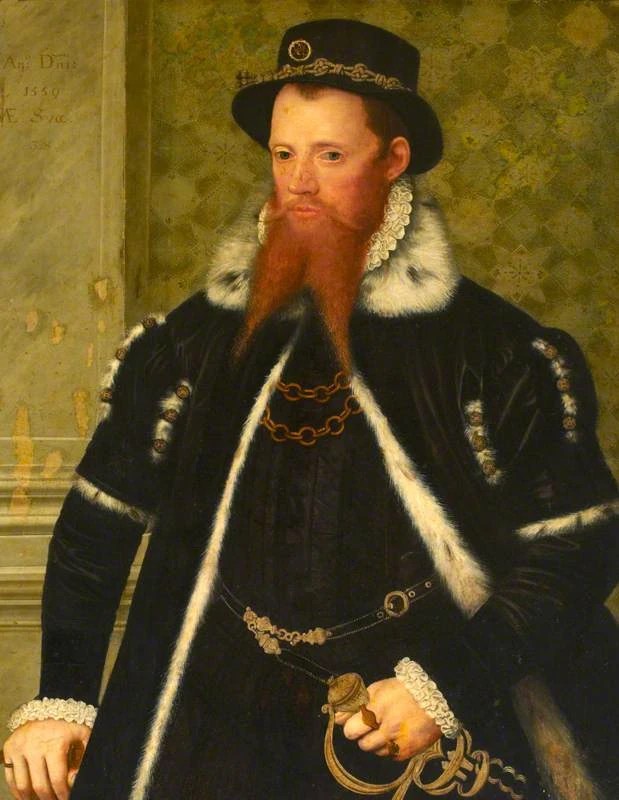
The idea of form will thread through all the Salon Workshops this coming year ( how could it not? ) but for poets of the twentieth and twenty first centuries, form can mean many more ways of shaping words on a page than are employed so tightly by Tichborne in his startling Elegy. This brought us into the questions we all wrestle with when we are hoping to have our poems published in the pages of a magazine or a book. How will the poem ‘look’? Can creating sound patterns / shaping words a certain way help the reader through the journey? Will the use of traditional formal devices help or hinder the acceptance of a poem we want to share? Are these still appropriate or useful questions for poets today?
Discussion of Sylvia Plaths’ tragic, Edge, the last poem she wrote before her suicide, took us into a creative space of such uncompromising brilliance as few of us could ever reach. A space also of such overwhelming emotional intensity that few of us perhaps would ever want to find ourselves writing in such a way. Plath’s work had been suggested by one of the workshop participants who wanted to discuss how poets can explore difficult, personal experience without falling into the trap of generalising as if the poem were a textbook analysis, or a blueprint for therapy. Edge of course provides one almost unbearably painful answer. We will be exploring other possibilities next time we meet.
Does knowledge of a poem’s background assist our reading of the words on the page, or can it prevent us responding fully to what we see and hear? ( Questions which seem to arise particularly often in workshops considering the poems of Hughes and Plath.) This brings us to questions like What is poetry? What would we mean if we said that a particular reading was ‘right’ or ‘wrong’? Luckily, the workshop series has plenty of time to enjoy exploring these questions and the many other fascinating topics the twelve Stanza25 poets are certain to bring along.
Huge thanks as always to the marvellous Abbey Delicatessen and its delightful baristas who host these workshops and look after us so well.
 Stanza 25
Leave a comment